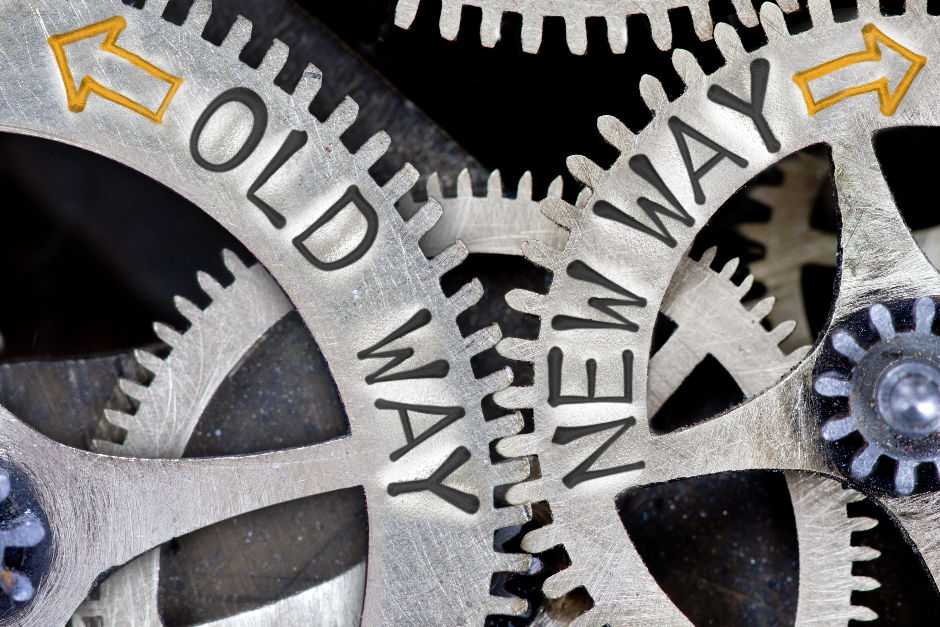
Addiction Recovery Coach Support: A Time for Change


A low emotional state can be a powerful turning point in addiction recovery.
For many people in recovery, feeling stuck, unmotivated, or emotionally drained can be a sign that something needs to change. These moments — as uncomfortable as they are — can open the door to deeper self-reflection and meaningful change.
There could be many times we find ourselves feeling stuck, unmotivated or emotionally drained, whether addiction plays a role or not.
In my last corporate job, I travelled to the USA a lot and worked long hours while at clients' sites. When returning to Canada after one of these trips, I could not recall where I had arrived from. My memories of my business trips blurred into one another. I stood in front of the Canada customs officer for a full minute trying to remember which US city I was in earlier that day. The officer suggested that I take a look at my luggage tag to jog my memory!
During one of my later work trips, while waiting between connecting flights at an airport gate, I broke down in tears. I was emotionally overwhelmed. My current lifestyle was completely opposed to my values and life priorities. This low point was what I needed to decide to quit that job. I didn’t have a new opportunity lined up. But I had had enough of that job and its lifestyle to motivate me to quit. I faced my fear of uncertainty and my fear of change. And I never looked back.
A low emotional state can help make it time for change.
When we're feeling low, this can be an opportunity to look at how we're living our lives. Are we doing something that might be contributing to our low state? Is the way we're living in line our values and priorities? Is it time for change?
I recently experienced a low point related to my faceyourfears.ca business. For months, I felt unmotivated, unfocussed and on the verge of losing hope. It wasn’t a pleasant state to be in. But since I’m comfortable with difficult feelings, I rode it out. I knew it was only a phase. Instead of telling myself to snap out of it, I allowed myself to feel the feelings.
After a few months, I got tired of feeling this way. I was becoming impatient with my low state and wanted to make a change.
Asking for help can kickstart change.
I realized that I needed help. I couldn’t figure out how to grow my business alone. I took my own advice about reaching out for help. I found a business coach that looked promising and booked a discovery call. I hired them that same afternoon. This was the best decision I’d made in years!
Thanks to my coach, I am now focusing my work on supporting people recovering from addiction. As an addictions recovery coach, I help individuals who are struggling to find stability, self‑trust, and hope as they navigate their recovery journey.
I’m excited to help make a positive difference in the lives of people in recovery from addiction. I remind them that they are worthy of respect, compassion and care. I help them uncover their inner wisdom and strengths. These strengths build the courage needed for their recovery journey.
Asking for help from an addiction recovery coach can kickstart your addiction recovery.
While my experience wasn’t about substance use, the emotional pattern will feel familiar to many people in recovery — feeling stuck, discouraged, and unsure how to move forward despite wanting change.
Are you looking for help with your recovery journey? Do you need help uncovering your inner wisdom and strengths? Change is possible, and support can make a meaningful difference.
Are you ready for change in your recovery journey?